The allure of chance legendary tales from the world of gambling
The allure of chance legendary tales from the world of gambling
The Origins of Gambling
The world of gambling has a rich tapestry woven with history and culture. Its origins can be traced back thousands of years, with evidence of dice and betting games found in ancient civilizations such as China, Egypt, and Rome. These early games often combined elements of skill and chance, making them appealing to various social classes. People engaged in gambling not only for entertainment but also as a way to settle disputes and make significant life decisions. Today, one can explore games like Tower Rush, found at towerrush-game.uk, which exemplify modern gaming’s allure.
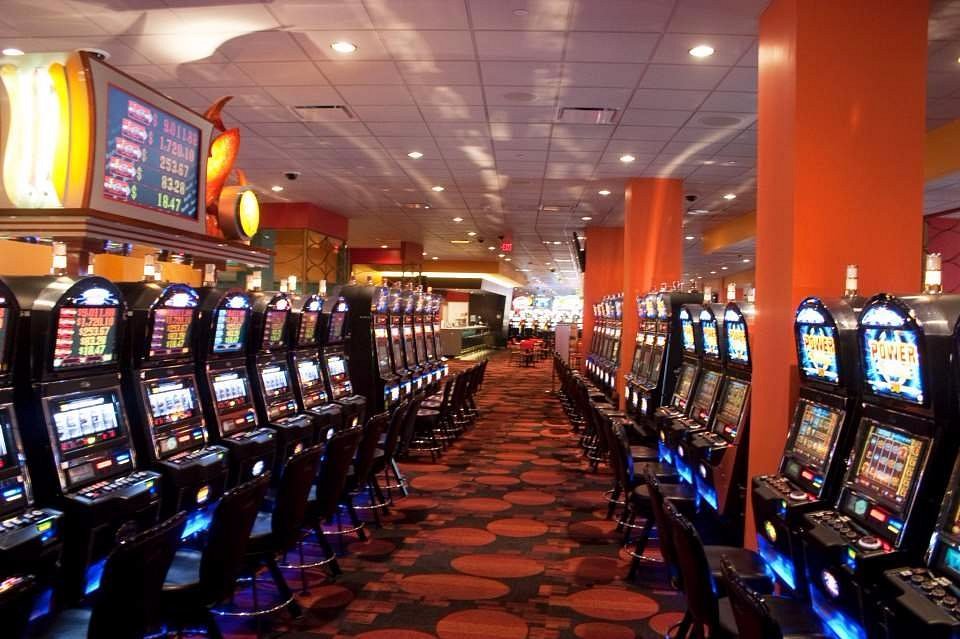
As societies evolved, so did the methods and practices of gambling. By the Middle Ages, games like cards and betting on sports had become popular in Europe. The establishment of casinos in Italy during the 17th century marked a significant shift. These venues were designed specifically for gambling, attracting the elite and igniting a fascination with the potential for wealth through chance. The allure of risk transformed gambling from a mere pastime into a social phenomenon.
Today, gambling is a global industry, spanning traditional brick-and-mortar casinos to online platforms. The fascination with chance continues to thrive, as new games and innovative technologies keep players engaged. From the buzz of slot machines to the strategic calculations in poker, the world of gambling remains an ever-evolving realm where the thrill of uncertainty captivates millions.
Iconic Legends and Mythical Stories
The world of gambling is filled with legendary tales that transcend time and geography. Stories of great wins, tragic losses, and the unforgettable characters behind these events have become part of the cultural fabric. For instance, the tale of Archibald “The King of Gamblers” is a remarkable narrative that reflects the highs and lows of gambling life. Archibald reportedly turned a modest stake into a fortune, only to lose it all in a single night. His rise and fall epitomize the unpredictable nature of gambling and the lessons it imparts.
Another iconic figure is the mysterious “Cinderella Man,” a boxer who went from rags to riches through a combination of talent and sheer luck. His story resonates with gamblers who dream of a sudden windfall. Legends like these not only entertain but also serve as cautionary tales, reminding players of the fine line between fortune and misfortune. The emotional investment in these stories enhances the allure of gambling, making it more than just a game of chance.
Moreover, many cultures have their own unique gambling legends. In Japan, the tale of the “God of Luck” attracts gamblers who believe that certain rituals can summon fortune. This blend of spirituality and gambling creates a deep-rooted tradition that continues to thrive today. Such stories enrich the gambling experience, drawing individuals into a world where chance, fate, and folklore intertwine, making every bet feel significant.
The Psychology of Gambling
The allure of gambling can be partly explained through the lens of psychology. Many players are drawn to the excitement and adrenaline that accompany games of chance. The thrill of winning, coupled with the possibility of losing, creates a rollercoaster of emotions that can be hard to resist. This emotional aspect fuels gambling behavior, making it a compelling activity for many. Individuals often engage in gambling as a form of escapism, seeking excitement in a world where outcomes are uncertain.
Additionally, cognitive biases play a crucial role in gambling psychology. The “gambler’s fallacy” is a common belief where individuals think that past outcomes influence future events. For example, if a roulette wheel lands on red several times in a row, a player may feel that black is “due” to appear. Such misconceptions can lead to irrational betting behaviors, ultimately affecting the gambling experience. Understanding these psychological elements can help players navigate their gambling habits more effectively.
Lastly, social factors also contribute to the attraction of gambling. Many people are drawn to the camaraderie found in casinos or gaming rooms, where they can share in the highs and lows of each other’s bets. This communal aspect enhances the overall experience and can create a sense of belonging. As gambling continues to evolve, both the psychological and social influences will play an essential role in shaping its future.
The Impact of Technology on Gambling
In recent years, technology has transformed the gambling landscape, making it more accessible than ever. Online casinos and mobile gaming applications have revolutionized the way players engage with their favorite games. With a few taps on a smartphone, users can access a plethora of options, from traditional table games to innovative slot machines. This convenience has attracted a new generation of gamblers who prefer the comfort of their own homes over traditional venues.
Moreover, advancements in virtual reality (VR) and augmented reality (AR) are paving the way for a more immersive gambling experience. Players can now enter virtual casinos, interact with other participants, and enjoy a sense of presence that traditional online gambling cannot provide. This technology not only enhances the thrill of chance but also adds a social layer to the experience, allowing players to feel as if they are truly part of a vibrant gambling community.
As technology continues to progress, it also raises important questions about responsible gambling. Online platforms can amplify the risks of addiction, as players may find it easier to gamble impulsively. For this reason, many online casinos are implementing measures to promote responsible gambling, such as setting deposit limits and offering self-exclusion options. The balance between innovation and player welfare will be crucial for the sustainability of the gambling industry.
The Thrill of Modern Gambling Experiences
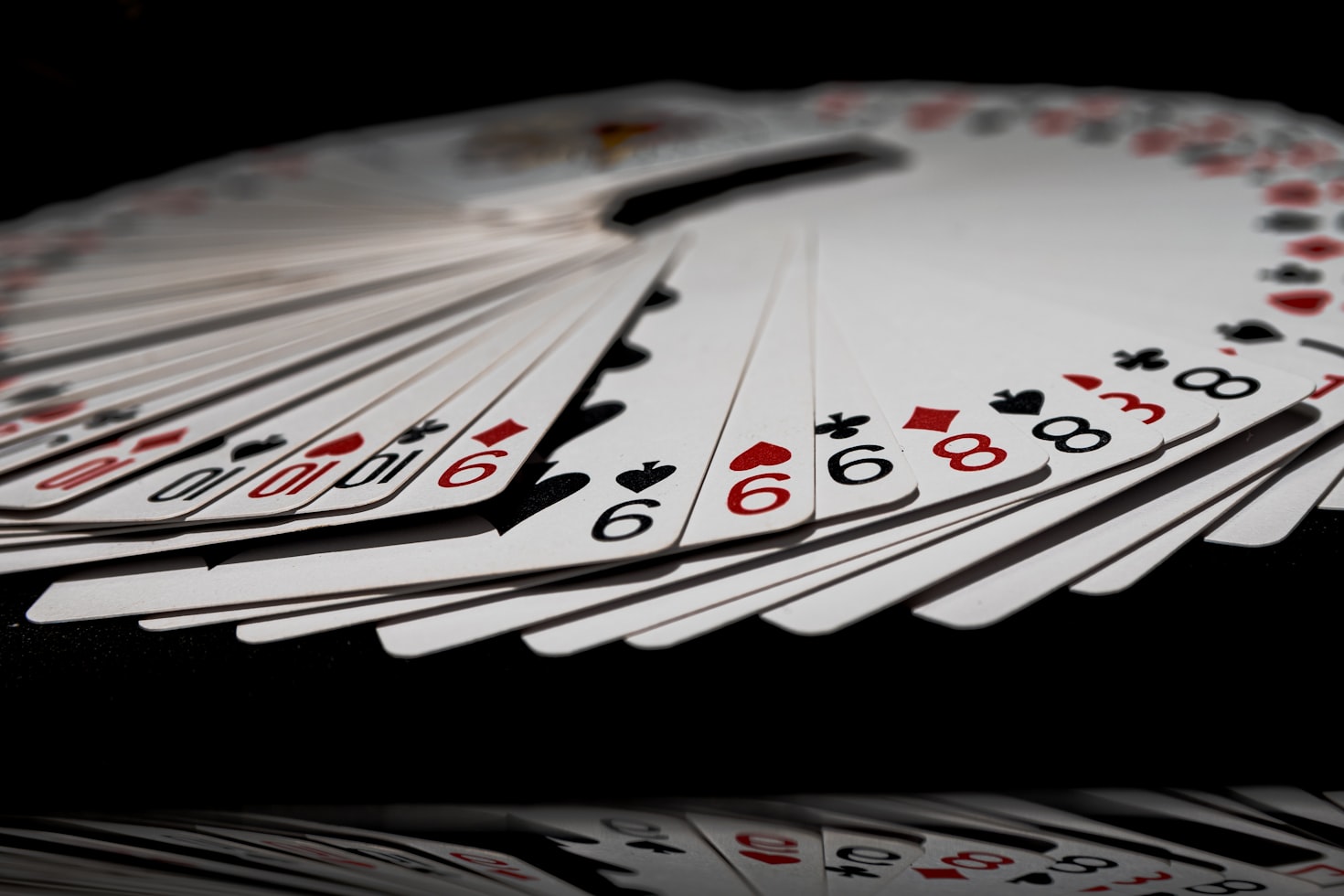
Modern gambling offers a wide range of experiences that captivate players around the world. From state-of-the-art casinos in Las Vegas to themed slot machines based on popular culture, the industry continually adapts to meet the desires of its audience. These engaging experiences not only attract seasoned gamblers but also entice newcomers who may be curious about the world of chance. Each gaming experience is designed to maximize excitement and make the most of players’ investments.
Additionally, many casinos are now integrating unique bonus features to heighten the thrill of gameplay. Games like Tower Rush, with its high return to player (RTP) percentage, allow individuals to build digital skyscrapers while enjoying fast-paced action. Features such as special bonus floors enhance the overall excitement, creating dynamic gameplay that keeps players engaged. This innovative approach allows players to experience risk and reward simultaneously.
As the gambling landscape evolves, the introduction of social gaming features is also gaining traction. Players can now interact with friends and other users through online platforms, further enriching the gambling experience. This blend of social interaction with gambling mechanics creates a sense of community, allowing players to celebrate wins together or commiserate over losses. The modern gambler is not just seeking fortune; they are also looking for a fulfilling experience that connects them with others.
Leave a Reply