Exploring the psychological tricks casinos use to keep you playing
The Illusion of Control
One of the primary psychological tricks casinos employ is the illusion of control. Players often feel empowered when they believe they can influence the outcome of games. This sensation is particularly evident in games like blackjack or poker, where skill plays a role. Casinos amplify this feeling by providing players with strategies and tips, making them believe that their choices will ultimately dictate their success. In seeking to enhance their gaming experience, some players might even consider exploring a non gamstop casino to discover various options.
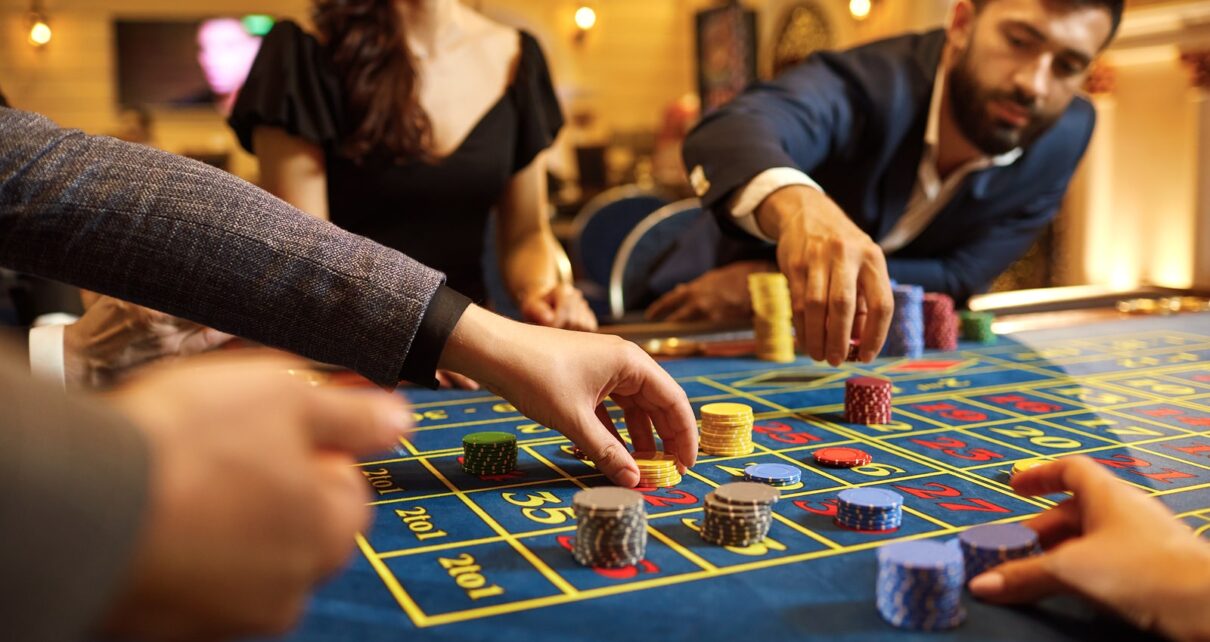
This illusion can lead to longer play sessions, as players will continue to engage with the game, convinced that a winning streak is just around the corner. The more a player believes they control their fate, the less likely they are to walk away, feeding into the casino’s profit margins.
The Use of Sound and Visuals
The sensory environment of a casino is carefully curated to enhance the experience and encourage extended play. Slot machines, for instance, are designed with bright colors, flashing lights, and exciting sounds that create a feeling of euphoria with each spin. These auditory and visual stimuli are not random; they are intended to trigger emotional responses that keep players engaged.
Moreover, the strategic placement of music can affect players’ behavior. Casinos often play fast-paced music to elevate excitement and encourage quick decisions, leading to quicker betting. This carefully orchestrated environment ensures that the allure of winning remains high, making it hard for players to leave.
The Concept of Near Misses
Near misses are another psychological tactic that casinos masterfully exploit. Players often experience near wins, which can be incredibly motivating. For example, when a player comes close to hitting a jackpot, the brain releases dopamine, creating a feeling of excitement similar to actually winning. This phenomenon can result in players continuing to play in hopes of achieving that elusive full win.
The near miss effect creates a cycle of behaviors that can lead to excessive gambling. Players may rationalize their losses based on the feeling of being “so close” to winning, convincing themselves that their next attempt could lead to success. This mindset can trap individuals in a continuous loop of gambling, thereby increasing the casino’s profits.
The Design of Casino Layouts
The physical layout of casinos is meticulously designed to maximize player spending. Casinos often lack windows and clocks, creating an environment where players lose track of time. This lack of temporal awareness discourages them from leaving, as they become absorbed in the gaming experience without recognizing the passage of time.
Additionally, casinos are arranged in a maze-like format, encouraging players to explore. This design means that players have to walk past a multitude of games and enticing attractions, which can lead to impulse decisions to play more. By creating a scenario where leaving is not straightforward, casinos manipulate players into staying longer and spending more.

Understanding Access Restrictions on the Website
This website aims to inform users about specific access restrictions, particularly highlighting situations where a “403 – Forbidden” error may occur. Just as casinos utilize psychological tricks to guide player behavior, this website seeks to enhance user navigation by clarifying permissions and enabling users to avoid confusion. By clearly communicating access rights, the site helps users navigate the content available to them.
By understanding the access limitations, users can better navigate the site and explore areas that align with their permissions, ensuring a more fulfilling online experience. Similarly to how casinos manage player engagement, this website’s design serves to guide users toward valid content, allowing for an organized and intuitive user journey.